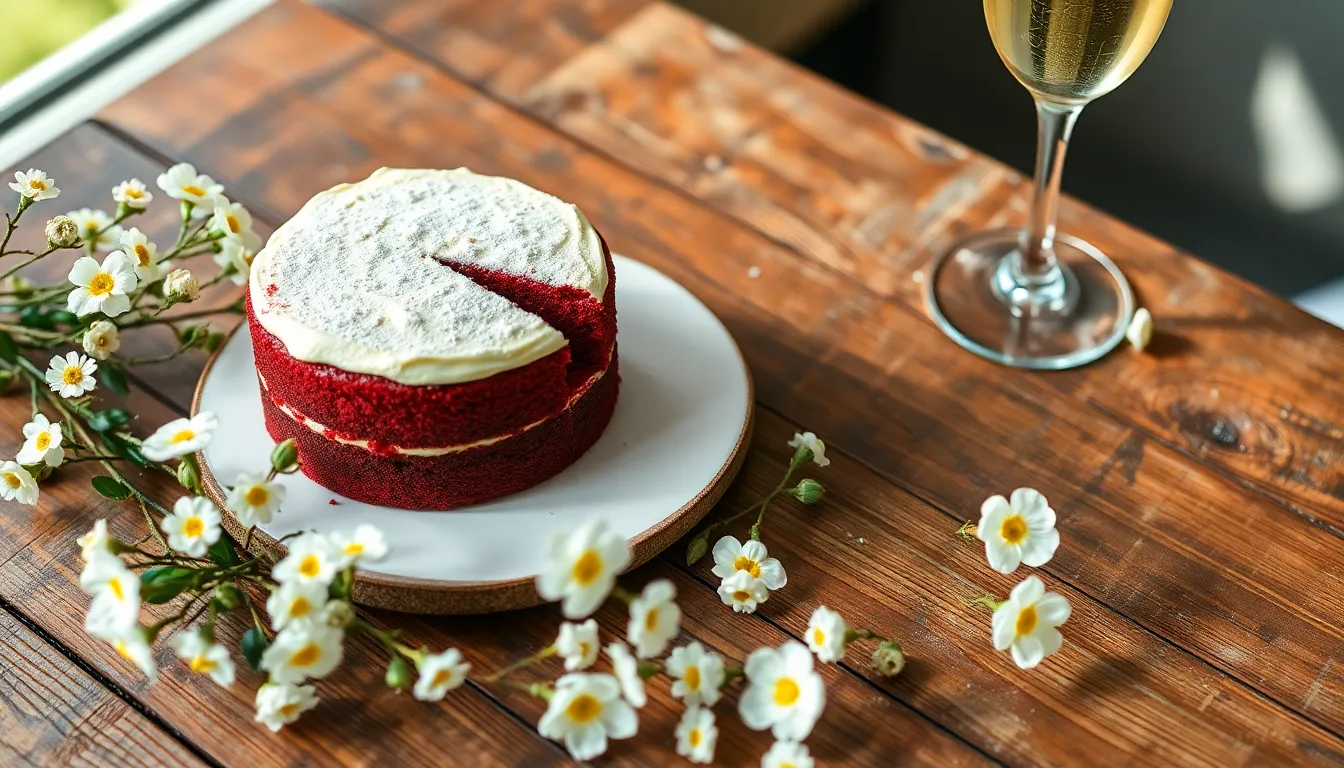
The allure of a Red Velvet Cake is undeniable. Its striking crimson hue, delicate chocolate whisper, and signature tangy cream cheese frosting make it a showstopper for any occasion. But what if you crave this luxurious treat without the commitment of a grand, multi-tiered creation? Enter the small red velvet cake – a miniature masterpiece that captures all the magic in a perfectly portioned 6-inch delight. Ideal for intimate gatherings, a romantic Valentine's Day surprise, or simply to satisfy a personal craving, this scaled-down version promises a tender, velvety crumb and an unforgettable experience.
For those who've ever found themselves with an abundance of leftover cake, or felt daunted by baking for a crowd, the small red velvet cake is a revelation. It distills the essence of this beloved Southern classic into a manageable size, typically yielding 4-6 generous slices. It’s a testament to the idea that sometimes, less truly is more, especially when it comes to a dessert this exquisite.
The Allure of the Small Red Velvet Cake: Why Size Matters
In a world of supersized servings, the small red velvet cake stands out as an emblem of thoughtful indulgence. Its compact 6-inch diameter isn't just cute; it's incredibly practical. Imagine celebrating a birthday with your closest family, or surprising your sweetheart on Valentine's Day with a cake that feels bespoke and intimate. This size perfectly suits low-key celebrations, small households, or even a decadent treat for one or two over a few days, ensuring every slice is as fresh as the first without the worry of excessive leftovers.
Opting for a smaller cake also means less baking time, fewer ingredients, and often, a less intimidating process for novice bakers. It allows you to focus on perfecting the technique and flavor without the pressure of a grand production. The elegance of a single-layer 6-inch cake, or a modest two-layer version, makes a powerful statement: this dessert was made with love and precision, just for you. For more ideas on when to bake this delightful dessert, check out our article: Small Red Velvet Cake: Perfect for Birthdays & Valentine's Day.
Unlocking the Velvety Crumb: The Secret to Perfection
The hallmark of an exceptional red velvet cake isn't just its vibrant color, but its incredibly tender, almost melt-in-your-mouth texture. This is the "velvety crumb" referenced in its name, and achieving it is the key to a truly memorable small red velvet cake. Unlike richer, denser chocolate cakes, red velvet offers a nuanced flavor profile: a subtle hint of cocoa, the comforting sweetness of vanilla, and a distinctive tang from buttermilk. It's a harmonious balance that, when combined with that coveted texture, creates a uniquely satisfying experience.
The Reverse Creaming Method: A Game Changer
To truly elevate your small red velvet cake to professional levels of tenderness, the reverse creaming method is a technique worth mastering. While traditional cake making begins with creaming butter and sugar together, the reverse creaming method takes a different approach:
- You start by combining all the dry ingredients, including flour, sugar, cocoa powder, and leavening agents.
- Then, the softened butter is added to these dry ingredients and mixed until the mixture resembles coarse sand or fine crumbs. This step coats the flour particles with fat.
- Finally, the liquid ingredients (like buttermilk, eggs, and vanilla) are gradually incorporated.
The genius of this method lies in its ability to inhibit gluten formation. When flour is mixed directly with liquids, gluten strands can develop rapidly, potentially leading to a tougher or chewier cake. By coating the flour in fat first, the reverse creaming method creates a barrier, minimizing gluten development and resulting in an exceptionally tender, fine-crumbed cake that lives up to the "velvet" descriptor. It's also remarkably forgiving, making it a favorite for bakers seeking consistent, exquisite results. While the traditional creaming method will still yield a lovely cake, for that truly sublime, delicate texture, reverse creaming is highly recommended.
Ingredient Harmony for Optimal Texture and Taste
Beyond the method, the quality and balance of your ingredients are crucial for a successful small red velvet cake:
- Buttermilk: This acidic ingredient is indispensable. It reacts with baking soda to provide lift, contributes to the cake's signature tang, and helps tenderize the crumb. However, be mindful of proportions; too much buttermilk, as some bakers have discovered through trial and error, can lead to a soggy cake with a wet line at the bottom. Precision is key!
- Cocoa Powder: The choice of cocoa powder subtly influences both flavor and color. Dutch-processed cocoa, which has been treated with an alkali to neutralize its acidity, tends to produce a richer, darker chocolate flavor and can enhance the vibrancy of the red food coloring. Natural cocoa powder is also acceptable, though it might yield a slightly milder chocolate note. Avoid sweetened cocoa as it will alter the sugar balance of your recipe.
- Red Food Coloring: This is where the "red" in red velvet comes from. For the most vibrant and consistent color without altering the cake's consistency, opt for gel food coloring. Liquid food coloring can be used but often requires a larger quantity to achieve the desired intensity, potentially adding too much moisture to the batter.
- Vanilla Extract: A good quality vanilla extract complements the subtle chocolate and buttermilk, adding depth and warmth to the overall flavor profile.
Crafting the Iconic Cream Cheese Frosting & Finishing Touches
No small red velvet cake is complete without its iconic companion: a rich, tangy, and utterly decadent cream cheese frosting. This isn't just any frosting; its unique flavor profile provides the perfect counterpoint to the cake's mild sweetness and subtle tang. Achieving the perfect cream cheese frosting requires a few key considerations:
- Room Temperature Ingredients: Ensure both your cream cheese and unsalted butter are at true room temperature. This allows them to cream together smoothly, preventing lumps and ensuring a light, airy texture.
- Don't Over-Whip: Cream cheese frosting can become too soft or even runny if over-whipped. Beat the butter and cream cheese until just combined and fluffy, then gradually add powdered sugar and vanilla, mixing until smooth. Stop as soon as it reaches the desired consistency.
- Balance the Flavors: The beauty of cream cheese frosting lies in its balance of sweetness and tang. Adjust the amount of powdered sugar to your preference, but don't shy away from a hint of vanilla and a tiny pinch of salt to enhance its complexity.
Once your cake is beautifully frosted, consider a few simple garnishes to elevate its presentation. A scattering of fresh red berries (raspberries or strawberries), a sprinkle of delicate chocolate shavings, or even a dusting of cocoa powder can add a touch of elegance and visual appeal. Remember, a smaller cake often highlights presentation even more, making those finishing touches impactful. This focus on detail ensures your small red velvet cake is as delightful to behold as it is to eat, making it perfect for those times you want something special without the fuss. For further inspiration on baking a simple, yet delicious 6-inch cake that leaves no leftovers, explore our guide: Easy 6-inch Red Velvet Cake: Moist, Flavorful & No Leftovers.
Troubleshooting and Expert Baking Tips for Your Small Red Velvet Cake
Even with a straightforward recipe, baking can sometimes present challenges. Here are some common pitfalls and expert tips to ensure your small red velvet cake turns out perfectly every time:
- Soggy Bottom: As mentioned, this is often a result of too much moisture, particularly buttermilk. Stick to the recipe's liquid measurements precisely. Also, ensure your oven temperature is accurate; an oven that's too cool can prevent proper evaporation.
- Dense or Dry Cake:
- Dense: Overmixing the batter, especially after adding flour, can overdevelop gluten, leading to a tough, dense crumb. The reverse creaming method helps mitigate this, but still, mix until just combined.
- Dry: Overbaking is the primary culprit here. Start checking your cake for doneness a few minutes before the recipe suggests. A skewer inserted into the center should come out with moist crumbs, not wet batter, and certainly not completely clean and dry.
- Fading Red Color: If your red isn't as vibrant as you'd like, you might need to use more gel food coloring or ensure you're using Dutch-processed cocoa which can sometimes enhance red tones. Also, ensure your oven isn't running too hot, as excessive heat can sometimes dull colors.
- Uneven Cake Layers: To achieve flat layers without doming, consider using baking strips around your cake pan. These insulate the sides, allowing the cake to bake more evenly. Alternatively, simply level any domed tops with a serrated knife once the cake is fully cooled.
Pro Tips for Success:
- Accurate Measurements: Baking is a science. Use a kitchen scale for dry ingredients like flour and sugar for the most accurate results.
- Parchment Paper Lining: Always line the bottom of your 6-inch cake pan with parchment paper and grease the sides. This ensures easy release and prevents sticking.
- Cool Completely: Resist the urge to frost a warm cake! A warm cake will melt your beautiful cream cheese frosting, leading to a runny mess. Ensure the cake layers are completely cool to the touch before assembling and frosting.
- Storage: Store your frosted small red velvet cake in an airtight container in the refrigerator. Bring it to room temperature for about 30 minutes before serving for the best flavor and texture. It typically keeps well for 3-4 days.
Embracing the charm and convenience of a small red velvet cake opens up a world of delightful possibilities. From mastering the velvety crumb with the reverse creaming method to perfecting that signature tangy cream cheese frosting, every step in crafting this miniature marvel is a reward in itself. Whether you're celebrating a special occasion or simply indulging a sweet craving, this perfectly portioned classic promises to deliver a truly memorable experience, proving that even in its smallest form, the red velvet cake remains an undisputed champion of dessert.
